
By Monica E. Oss, Chief Executive Officer, OPEN MINDS
A new federal initiative could place some homeless or highly vulnerable veterans under court-appointed guardianship. The United States Department of Veterans Affairs (VA) plans to pursue court-appointed guardianship for some homeless veterans who lack decision-making capacity and have no available family members or legal advocates.
This is happening at time when VA officials report that they are managing care for hundreds of veterans with complex needs, including individuals experiencing or at risk of homelessness. In fiscal year 2025, the VA completed 82 million direct care appointments, a 4.1% increase over 2024. This includes more than 2.2 million appointments outside normal operating hours, and expanded access through the opening of 33 new health care clinics.
From the Administration’s perspective, the initiative is framed as a targeted, operational solution to a care coordination gap for high-acuity veterans. Guardianship is described as a way to protect veterans’ legal rights, particularly for those with complex medical or behavioral health conditions who cannot independently navigate the system.
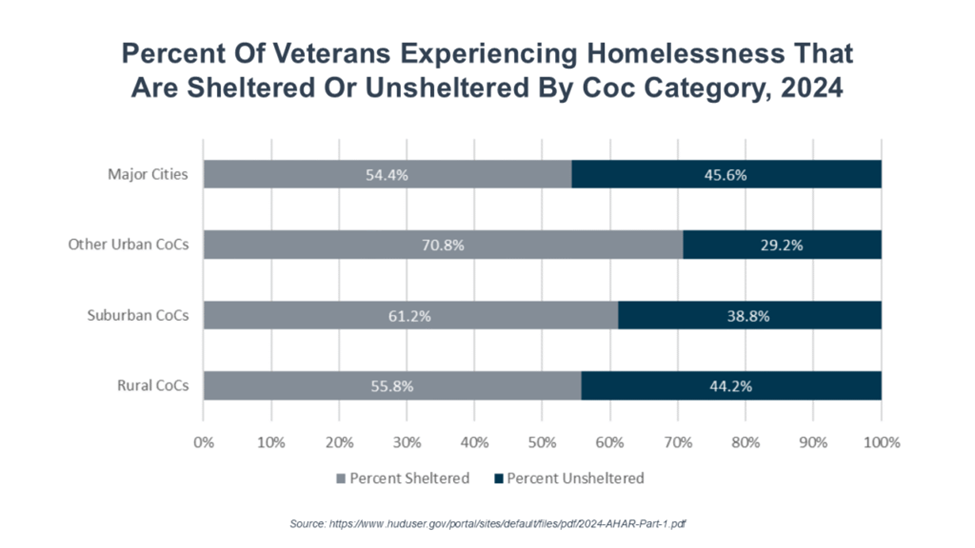
This framing, however, stands in sharp contrast to concerns raised by Congressional leadership. In a March press release by The House Committee on Veterans Affairs, ranking member Mark Takano (D-CA) stated it is an overreach of federal authority that risks undermining veterans’ autonomy under the guise of care coordination. His view is that granting VA attorneys the ability to initiate guardianship or conservatorship proceedings creates a structural conflict of interest, positioning the VA as both the care provider and the entity driving legal actions that could remove a veteran’s decision-making rights.

The bigger policy question—is guardianship a solution to a care coordination problem, or a substitute for investments in housing and community-based services? My colleague, Joe Costa, Senior Advisor at OPEN MINDS, said, “Most of these solutions require the person’s willing engagement. For the small subsets of consumers who are genuinely incapacitated, some intervention may be warranted—but guardianship is the most extreme tool available.”
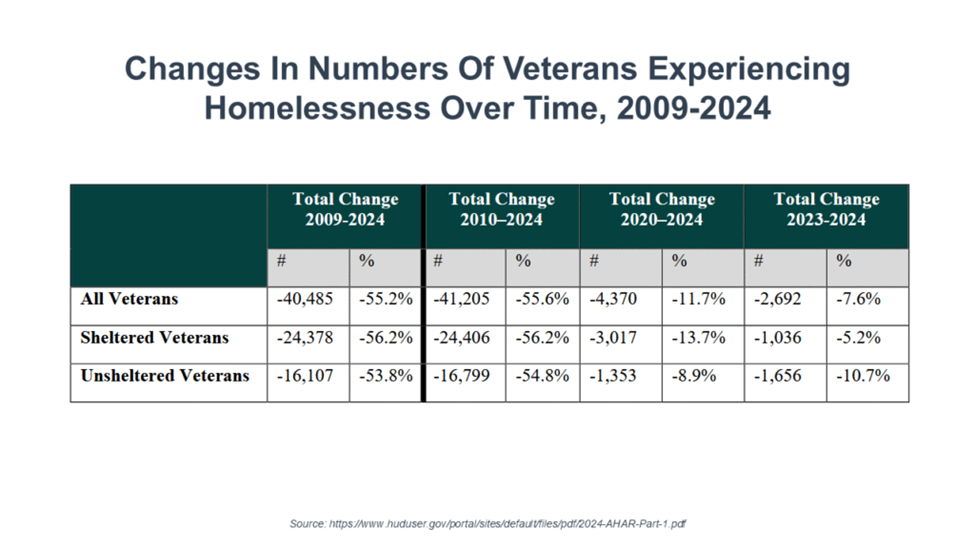
Mr. Costa pointed to several research-based approaches that can stabilize vulnerable veterans without removing their legal autonomy. Many of these models focus first on stabilizing housing and building trust before expecting individuals to engage in treatment. Housing First programs, for example, provide permanent housing without requiring sobriety or treatment participation as a precondition. Evidence shows that stable housing improves mental health outcomes and increases the likelihood that individuals will voluntarily engage in services. Another model, Critical Time Intervention, provides intensive but time-limited support during key transitions—such as discharge from hospitals, shelters, or incarceration—when individuals are particularly vulnerable to instability.
He noted that other approaches focus on bringing care to individuals rather than requiring them to navigate traditional service systems. One example is Assertive Community Treatment (ACT) teams use mobile, multidisciplinary staff—including psychiatrists, social workers, and peer specialists—to deliver services in homes, shelters, and community settings. ACT programs have demonstrated strong outcomes in reducing hospitalization and improving engagement among individuals with severe behavioral health needs. Another option is using peer support programs with HUD-VASH, which combines housing vouchers with case management and has been credited with reducing veteran homelessness when adequately funded.
To address the consumer autonomy issue, Mr. Costa stressed the importance of using models designed to preserve autonomy while still providing support for decision-making. Supported decision-making models allow individuals to retain legal authority while working with a trusted person who helps them understand options and consequences. In disability policy, this approach has increasingly been recognized as a less restrictive alternative to guardianship.
Whether the proposed guardianship initiative is a limited intervention for a small subset of veterans or signals a broader policy direction for using institutions for care of veterans will depend on how policymakers balance care transitions, system costs, and individual rights. As Mr. Costa noted, “A stepped approach, exhausting voluntary options first, would be more proportionate and rights-respecting.”